

The Art of Steaming Maryland Crabs: A Taste of Tradition and Flavour Unveiled
Crabs are a beloved delicacy along the East Coast, but Marylanders have a unique way of preparing them that sets their experience apart. While many Southern states like Louisiana favor boiling their crabs, Marylanders prefer steaming. This method is more than just a cooking technique; it carries deep cultural significance and delivers a distinct taste and texture that crab lovers cherish. This post explores why steaming is the preferred method in Maryland, how it preserves the crab’s natural sweetness, and the traditional steaming liquid that makes Maryland crabs so special.
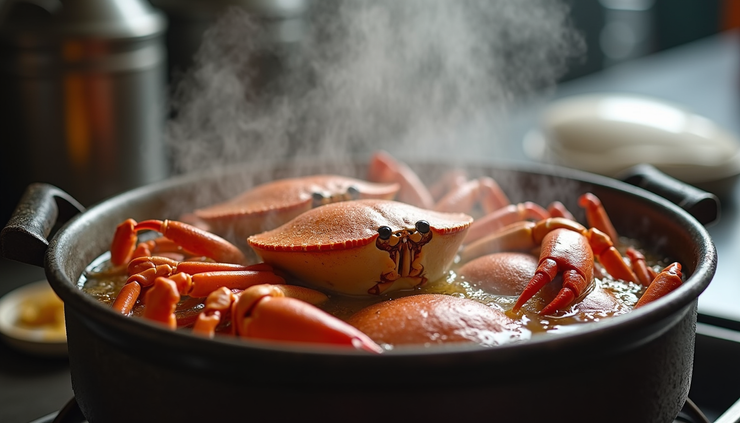
Why Marylanders Choose Steaming Over Boiling

In Maryland, steaming crabs is a time-honored tradition that goes back generations. The method reflects the region’s culinary heritage and local preferences. Unlike boiling, which submerges crabs fully in water, steaming cooks the crabs above the liquid. This difference in technique affects the flavor, texture, and even the social experience of eating crabs.
Maryland’s Chesapeake Bay is famous for its blue crabs, and locals believe steaming best preserves the delicate qualities of the crab meat. Steaming allows the crabs to cook evenly without becoming waterlogged. The shells soften just enough to make picking easier, but the meat inside remains firm and succulent.
By contrast, in Southern states like Louisiana, boiling crabs is more common. Boiling involves immersing crabs in heavily seasoned water, often with spices like cayenne, garlic, and bay leaves. This method imparts a strong, spicy flavor but can sometimes overpower the natural sweetness of the crab meat. Marylanders tend to prefer a cleaner, sweeter taste that highlights the crab itself rather than the seasoning.
The Cultural Significance of Steaming in Maryland

Steaming crabs is more than a cooking method in Maryland; it is a social ritual. Crab feasts bring families and communities together, often outdoors during the summer months. The process of steaming, cracking, and eating crabs is a shared experience that strengthens bonds.
The steaming setup itself is iconic: a large pot with a perforated basket, a mix of steaming liquid at the bottom, and layers of crabs stacked inside. The aroma of the steaming liquid fills the air, signaling a gathering is underway. Marylanders take pride in their steaming recipes and techniques, passing them down through generations.
This tradition contrasts with the Southern boiling style, which often centers around large, heavily seasoned boils with a mix of seafood and vegetables. Maryland’s approach focuses on the crab as the star, with the steaming liquid enhancing rather than masking its flavor.
How Steaming Preserves Texture and Enhances Sweetness
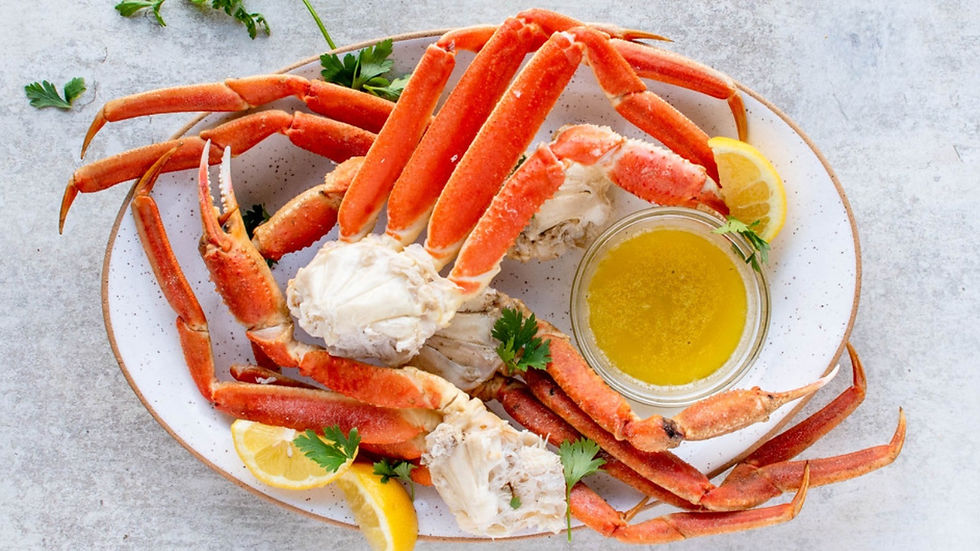
Steaming cooks crabs gently and evenly. Because the crabs do not sit directly in boiling water, they retain their natural juices. This results in meat that is tender but firm, with a texture that is neither mushy nor dry.
The steaming process also helps maintain the crab’s natural sweetness. When boiled, some of the crab’s flavor can leach into the water, diluting the taste. Steaming keeps the flavor concentrated inside the shell. The result is a sweeter, more flavorful bite that Marylanders prize.
Additionally, steaming allows the shells to soften slightly without becoming brittle. This makes it easier to pick the meat without excessive cracking or crushing, preserving the crab’s delicate texture.
The Traditional Steaming Liquid: Beer and Vinegar

One of the secrets to Maryland’s steamed crabs is the steaming liquid. Instead of plain water, Marylanders use a mixture of light beer and white or apple cider vinegar. This combination serves several purposes:
Softens the shells: The acidity from the vinegar helps break down the crab shells slightly, making them easier to crack and pick.
Adds subtle flavor: The beer adds a mild maltiness that complements the crab’s sweetness without overpowering it.
Enhances aroma: The mixture creates a fragrant steam that infuses the crabs with a unique scent, enhancing the overall eating experience.
The ratio of beer to vinegar varies by family and region, but a common mix is about two parts beer to one part vinegar. Some cooks add a pinch of Old Bay seasoning or other spices to the liquid, but the focus remains on simplicity to let the crab shine.
Practical Tips for Steaming Maryland Crabs at Home
If you want to try steaming Maryland crabs yourself, here are some helpful tips:
Use live crabs: Freshness is key. Purchase live blue crabs from a trusted seafood market.
Prepare the steaming liquid: Mix light beer with white or apple cider vinegar. Avoid dark beers that can overpower the flavor.
Layer the crabs: Place crabs in the steaming basket in layers, stacking them carefully to allow steam circulation.
Steam time: Typically, crabs steam for about 20-30 minutes depending on size. The shells will turn bright orange when done.
Serve with traditional sides: Maryland crab feasts often include corn on the cob, potatoes, and plenty of Old Bay seasoning for sprinkling.
Comparing Maryland Steaming to Louisiana Boiling
The difference between Maryland steaming and Louisiana boiling reflects regional tastes and cultural values. Louisiana boils often feature a spicy, heavily seasoned broth that includes not only crabs but also shrimp, sausage, and vegetables. The focus is on bold, complex flavors and communal eating.
Maryland steaming, by contrast, emphasizes the crab itself. The lighter seasoning and gentle cooking method highlight the natural qualities of the blue crab. The vinegar and beer steaming liquid softens shells and adds subtle flavor without overwhelming the meat.
Both methods have passionate fans, but Marylanders remain loyal to steaming because it preserves the crab’s texture and sweetness while honoring a cherished local tradition.
Steaming Maryland crabs is a culinary art that blends tradition, flavor, and community. This method preserves the crab’s delicate texture and natural sweetness, enhanced by a unique steaming liquid of beer and vinegar that softens shells for easier picking. The cultural significance of steaming runs deep in Maryland, setting it apart from Southern boiling styles and creating a distinctive crab-eating experience. Whether you are a seasoned crab lover or new to the Chesapeake Bay’s bounty, steaming offers a delicious way to enjoy one of Maryland’s most treasured foods. Next time you gather for a crab feast, consider the art of steaming and taste the tradition for yourself.


Comments